pubdate:2026-01-20 08:23:21 popularity:
UHMW: The Unsung Hero of Modern Industry – How China-Based Manufacturer Mingnan is Powering Global Innovation
In the vast and often unseen world of industrial materials, few polymers have quietly revolutionized as many sectors as Ultra-High Molecular Weight Polyethylene (UHMWPE). Known for its extraordinary combination of properties—exceptional abrasion resistance, high impact strength, a low coefficient of friction, chemical inertness, and self-lubrication—UHMW has become the material of choice for applications where failure is not an option. At the forefront of producing this engineering marvel is a new generation of Chinese manufacturers, with companies like Mingnan emerging as pivotal players in the global supply chain. This article delves into the diverse and critical applications of UHMW, highlighting how precision-focused manufacturers in China are enabling industries worldwide to achieve greater efficiency, durability, and innovation.
Part 1: The Material Science Powerhouse – Understanding UHMW
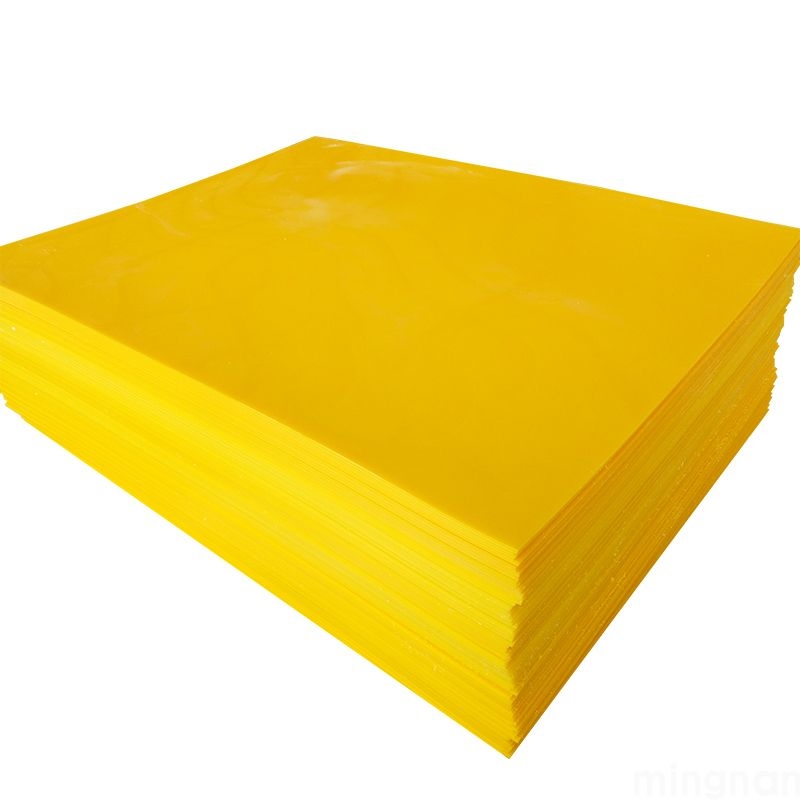
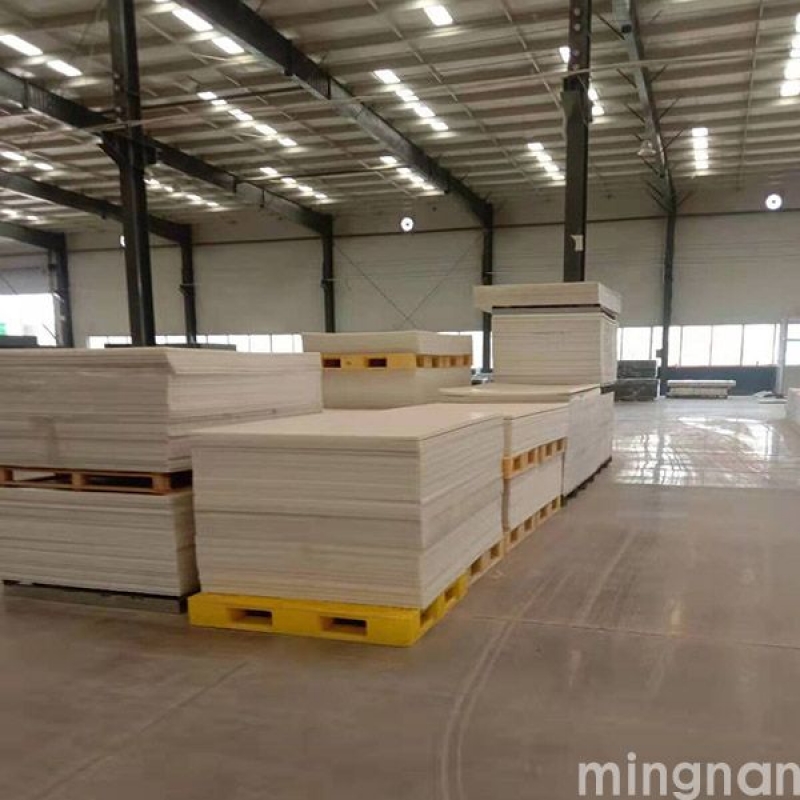
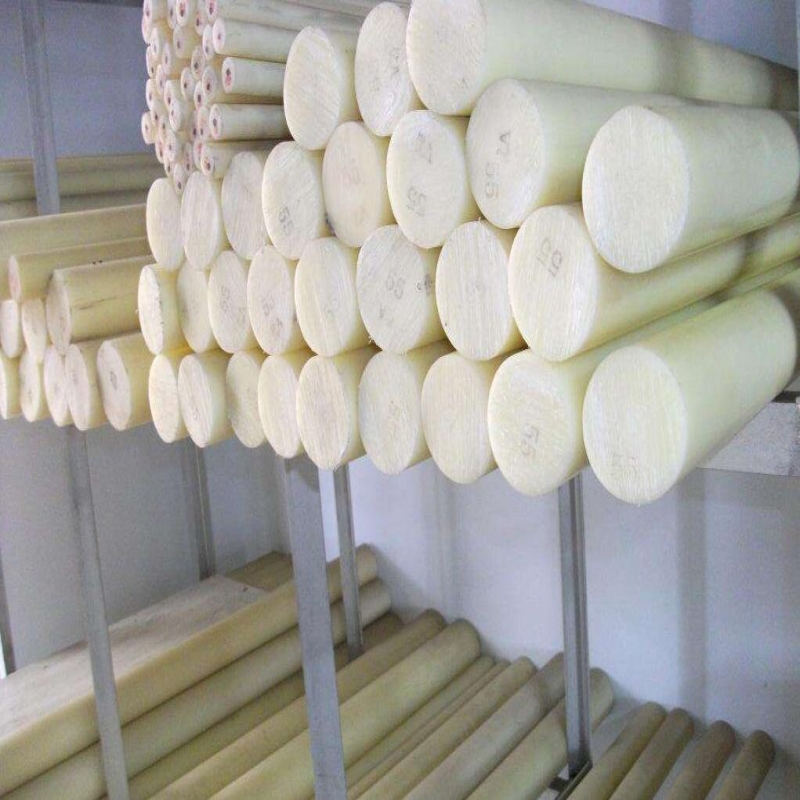
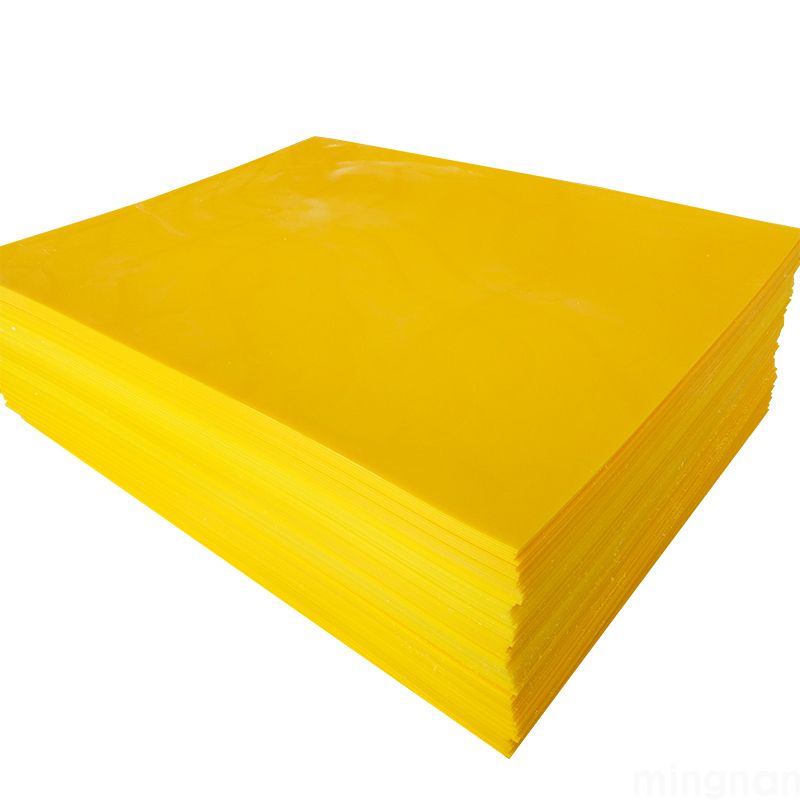
Before exploring its uses, it’s crucial to understand what sets UHMW apart. Unlike standard polyethylene, UHMWPE consists of extremely long polymer chains (molecular weights typically between 3.5 and 7.5 million amu). These chains transfer load more effectively to the polymer backbone, resulting in a material that is incredibly tough. It is up to 15 times more abrasion-resistant than carbon steel and outperforms materials like nylon and PTFE in many wear applications. Despite its strength, it remains relatively lightweight (around 1/8th the weight of steel) and is highly resistant to most corrosive chemicals. However, its very nature makes it challenging to process; it cannot be melted and molded using conventional plastic extrusion or injection molding. This requires specialized techniques like compression sintering or ram extrusion, a domain where manufacturers like Mingnan have developed significant expertise, ensuring consistent quality and performance in the final product forms—sheets, rods, tubes, and custom profiles.
Part 2: The Backbone of Material Handling and Logistics
One of the largest and most visible applications of UHMW is in the realm of material handling. Its low friction and high wear resistance make it ideal for guiding and moving goods with minimal energy loss and maintenance.
Conveyor Systems: UHMW sheets are used as liners for conveyor chutes, hoppers, and bins. In mining, agriculture, and packaging, these liners prevent material build-up (due to their non-stick properties), reduce friction-induced wear on both the equipment and the product (like bottles or coal), and significantly dampen noise.
Chain Guides and Wear Strips: In automated warehouses and on production lines, UHMW guides for chains and belts ensure smooth operation, prevent metal-on-metal contact, and extend the service life of the entire system.
Pallet and Dock Components: UHMW wear strips on pallets and dock levellers reduce drag and impact, protecting both the pallets and floors, leading to smoother forklift operation and less product damage.
Manufacturers like Mingnan supply consistently flat, precision-machined sheets and parts that are directly interchangeable in global equipment designs, becoming an integral, reliable component in the world’s logistics infrastructure.
Part 3: Driving Efficiency in Automotive and Transportation
The automotive industry, with its relentless pursuit of weight reduction, durability, and cost-efficiency, heavily utilizes UHMW.
Under-the-Hood Components: Its chemical resistance makes it suitable for parts like bumpers, wear pads, and isolators that encounter fuels, lubricants, and coolants.
Body Assembly Lines: Similar to material handling, UHMW wear plates and guides are used on vehicle assembly skids and fixtures, protecting sensitive car body panels from scratches during manufacturing.
Commercial Vehicles: In truck trailers, UHMW liners are used for dump truck beds to facilitate clean unloading of sticky materials like clay or wet sand. Its use in bus and train floorings and seat slides offers durability and low maintenance.
Chinese manufacturers contribute by providing high-volume, cost-effective components that meet stringent automotive industry specifications, enabling just-in-time manufacturing on a global scale.
Part 4: Enabling Heavy Industry and Energy
In demanding environments like mining, steelmaking, and energy production, equipment failure leads to massive downtime costs. UHMW is a critical line of defense.
Mining and Quarrying: It is used as liner plates for truck beds, chutes for ore and aggregates, and wear shoes on machinery. Its abrasion resistance withstands the constant assault of rocks and minerals.
Steel Mills: UHMW guides and rollers are used in continuous casting lines and coil handling equipment, where they must perform under high temperatures and heavy loads without contaminating the steel.
Water Treatment and Hydropower: UHMW’s corrosion resistance and low friction make it ideal for wear rings in pumps, sludge scraper blades in clarifiers, and guide components in dam gate systems.
Companies like Mingnan play a vital role here by offering not just raw forms but also fabricated parts—often large-scale and complex—that can withstand these extreme conditions, providing a reliable alternative to traditional metals.
Part 5: The Critical Role in Food and Beverage Processing
UHMWPE is approved by regulatory agencies like the FDA and EU for food contact, making it indispensable in food processing.
Cutting Boards and Work Surfaces: Its hygiene (non-porous surface), resistance to knife cuts, and durability make it superior to wood or other plastics in commercial kitchens and meat/poultry processing plants.
Conveyor and Guide Components: UHMW star wheels, guide rails, and chain attachments are used on bottling and canning lines. They are quiet, reduce breakage, and are easy to clean and sterilize.
Wear Parts in Processing Equipment: From dough mixers to vegetable slicers, UHMW parts reduce metal contamination risk and withstand frequent washdowns with cleaning chemicals.
Precision and consistency are paramount here. Chinese manufacturers supply food-grade UHMW that meets global hygiene standards, with smooth, defect-free surfaces that prevent bacterial harborage.
Part 6: Supporting Marine and Offshore Operations
The marine environment, with its corrosive saltwater, presents unique challenges. UHVW’s resistance to both seawater and UV-stabilized varieties makes it highly valuable.
Dock Fendering and Wear Pads: Used as bumpers between docks and vessels, UHMW absorbs impact and resists abrasion from hulls.
Ship Components: It is used in hatch covers, lining for bulk material holds, and as wear plates on winches and cranes. Its self-lubricating property is crucial in these remote, maintenance-heavy applications.
Aquaculture: UHMW is used in cages, nets, and handling systems due to its toughness and inertness in water.
Part 7: Advancing Medical and Sports Equipment
Beyond heavy industry, UHMW’s biocompatibility and strength have opened doors in high-tech fields.
Orthopedics: It is the material of choice for the wear-bearing surface in total joint replacements (like hip and knee sockets), where its low friction and wear debris profile are critical for implant longevity.
Medical Devices: Used in components for surgical tools and equipment where reliability and sterilizability are essential.
High-Performance Sports: UHMW fibers (marketed as Dyneema® or Spectra®) are used in bulletproof vests, sailing lines, and fishing rods. While the fiber production is a specialized field, the growth of the Chinese advanced materials sector supports the broader UHMW ecosystem.
Part 8: The Mingnan Advantage in a Global Market
The proliferation of UHMW across these diverse industries is supported by manufacturers who have mastered its complexities. A China-based manufacturer like Mingnan exemplifies this capability. By investing in advanced processing technology and quality control, such a company can deliver:
Consistent Material Properties: Ensuring uniform density, molecular weight, and performance across batches.
Precision Machining: Providing finished components to exacting tolerances, ready for installation.
Cost-Effectiveness at Scale: Making the benefits of UHMW accessible for more applications worldwide.
Customization and Technical Support: Collaborating with engineers to develop solutions for specific wear problems.
Conclusion: The Quiet Enabler of Progress
From the food on our tables and the goods we order online to the energy that powers our homes and the medical implants that restore mobility, UHMW plays a silent yet indispensable role. Its unique properties solve some of industry’s most persistent challenges: wear, friction, and corrosion. The rise of capable, quality-focused manufacturers in China, such as Mingnan, has been instrumental in democratizing access to this superior material, fueling innovation and efficiency across the globe. As industries continue to push the boundaries of performance and sustainability, UHMW, supplied by a robust and technologically adept manufacturing base, will undoubtedly remain a cornerstone material, quietly powering the machinery of the modern world.